
Becoming Icon
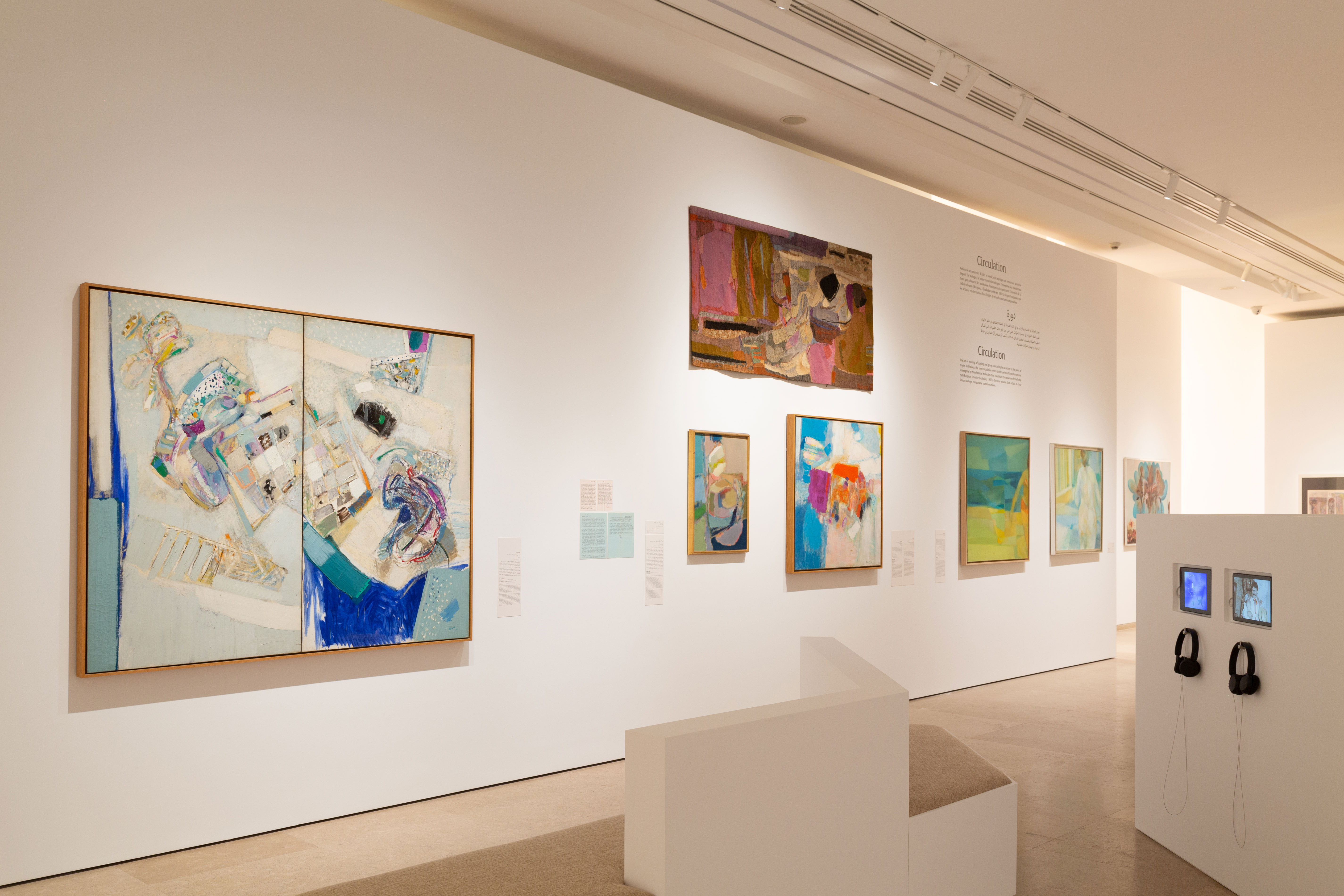
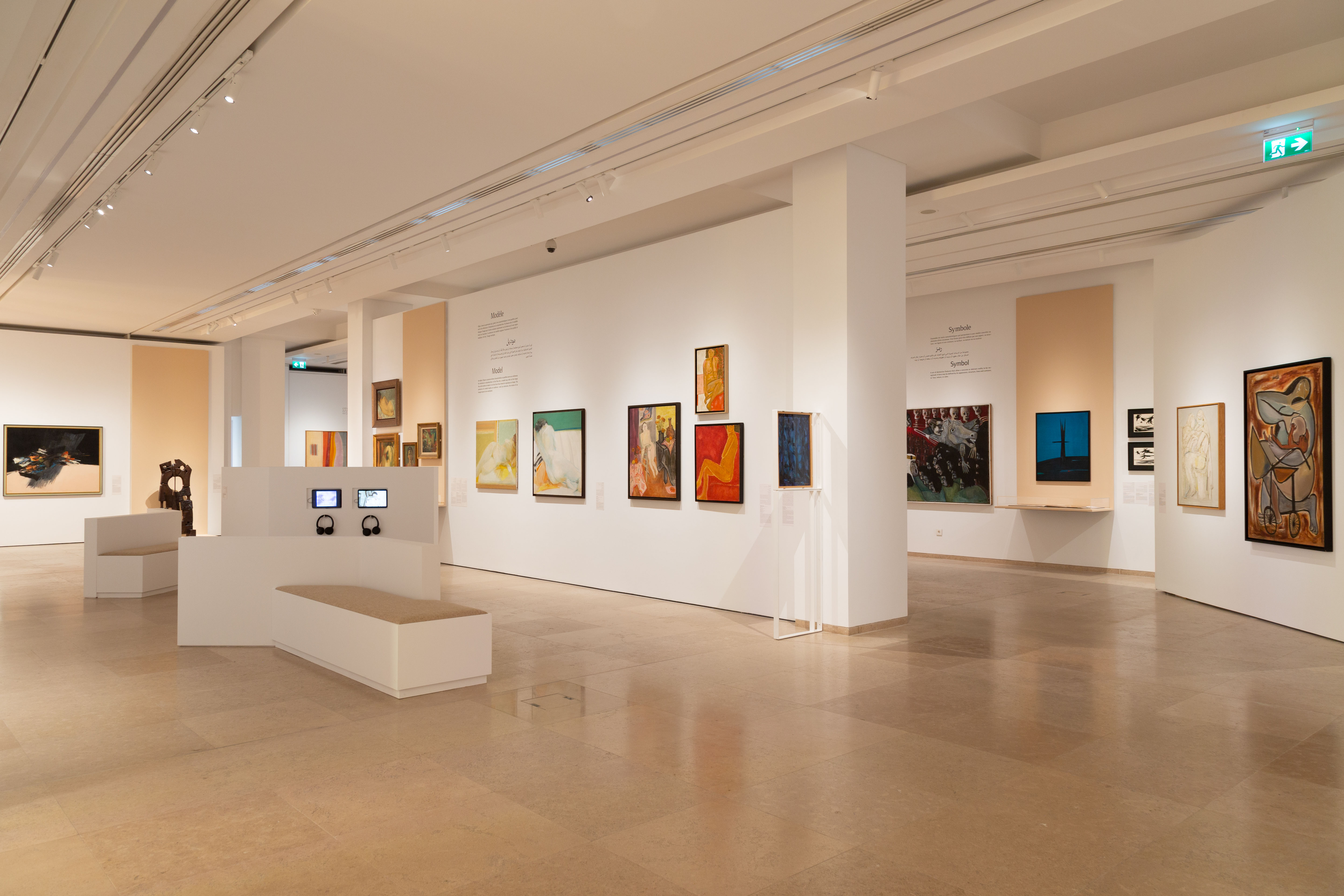
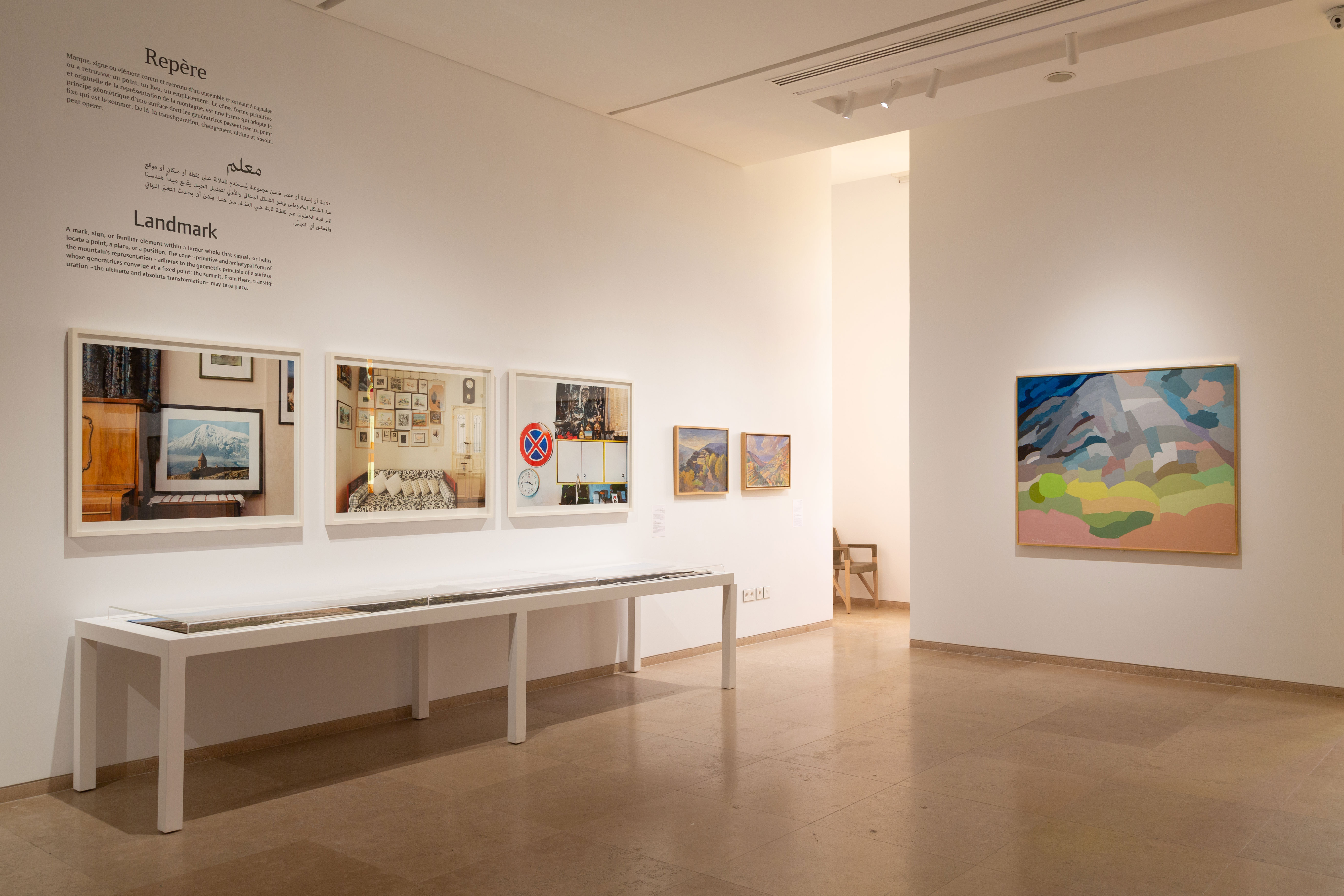
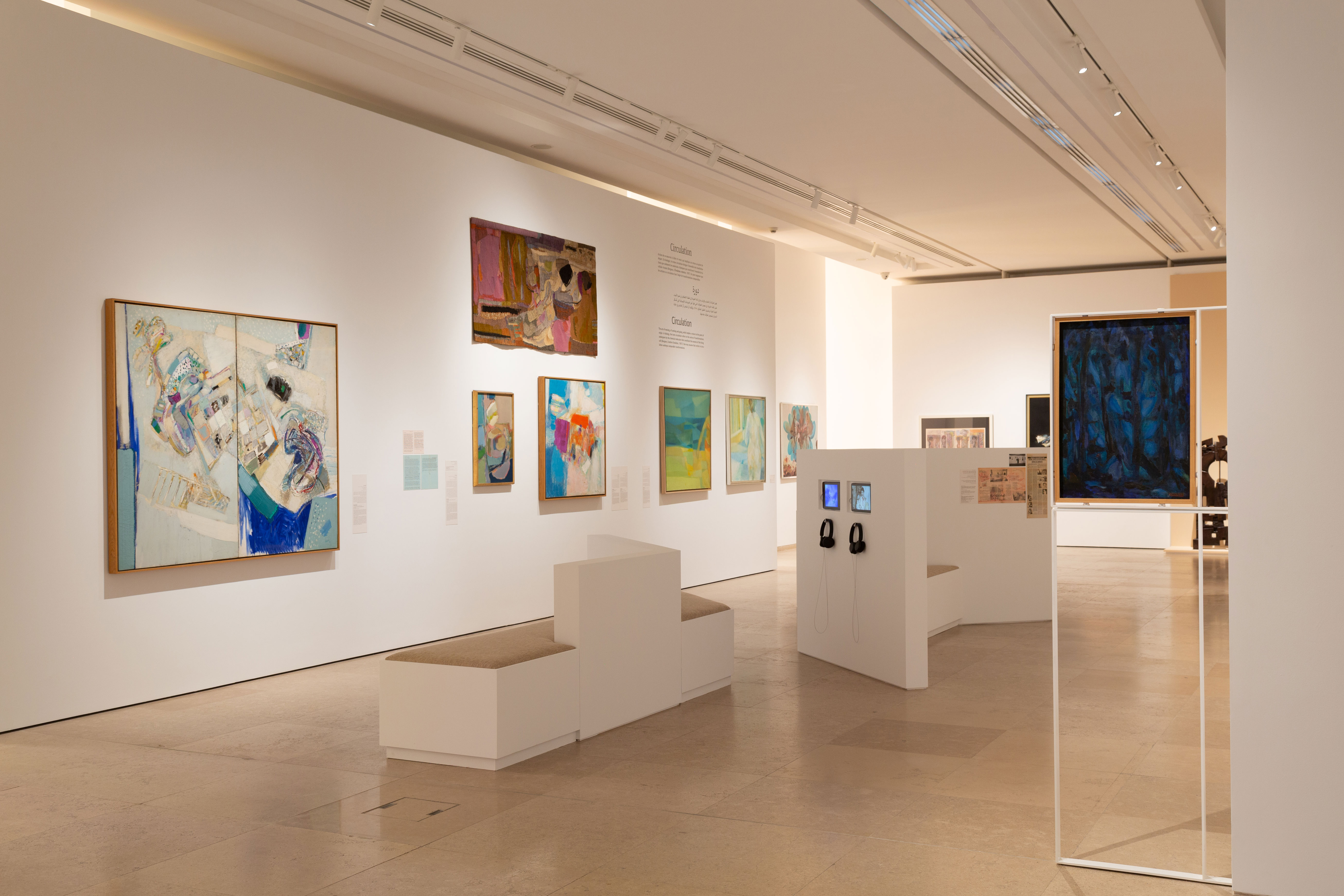
How does an artwork attain the status of an icon? What does this passage into visibility—or its refusal—reveal about the narratives we construct, the memories we activate, the communities we shape?
Drawing from the Sursock Museum’s collection, enriched by public and private loans, the exhibition examines dynamics of recognition, exclusion, and legitimization in modern and contemporary art. Some works emerge as visual landmarks charged with evocative power; others remain on the margins—ignored, displaced, or forgotten. Identity figures, sites of memory, pivotal events, recurring motifs: these are forms that crystallize collective stakes. By approaching them as points of tension, the exhibition offers a critical reading of what makes an icon.
Throughout the exhibition, selected definitions—form, symbol, circulation, community, model, marker, absorption, emblem, diffusion, or unity—appear and reappear, raising questions around the process of iconization and the museum’s role in shaping visual memory. Becoming an icon is not merely a matter of reception, but an active, conflicted, and deeply political process.
In resonance with the collective narratives carried by any museum institution, certain works reactivate inherited forms, make visible marginalized memories, or interrogate the artwork’s very capacity to embody.
Curator: Yasmine Chemali
Scenography : Atelier Meem Noun, Jacques Abou Khaled
Yasmine Chemali is a curator and art historian. She is currently the Director of Center of Photography in Mougins, France since 2020. Previously, she worked as the head of the Fouad Debbas collection in Beirut and then as the head of the modern and contemporary art collections at Sursock Museum between 2014-2020. She curated several exhibitions at the Sursock Museum such as La Fabrique des Illusions with François Cheval amongst many others. She is trained in history of art and heritage conservation at the Ecole du Louvre in Paris, France.
For curatorial texts, follow these links:
With the support of:
Fonds de Dotation Georges Corm
Bassam and Ghida Yammine Foundation
Marwan T. Assaf
